Why Make Yoghurt at Home?
Store-bought yoghurt may seem convenient, but have you ever checked the ingredient list? Many brands add sugar, stabilisers, and preservatives to extend shelf life and create an artificially thick texture. Homemade Yoghurt has none of this.
Making yoghurt at home is surprisingly easy, requires just two ingredients, and gives you complete control over the flavour, texture, and probiotic content. Plus, it’s more cost-effective and eliminates unnecessary additives!
How Homemade Yoghurt Compares to Store-Bought
| Feature | Homemade Yoghurt | Store-Bought Yoghurt |
|---|---|---|
| Ingredients | Milk, live cultures | Often contains sugar, stabilisers, and preservatives |
| Texture | Naturally creamy | Thickened artificially with gums or starches |
| Sugar Content | Natural lactose only | Often has added sugar for taste |
| Probiotics | Fresh, active cultures | Some brands have minimal live bacteria |
| Customisation | Can ferment longer for a tangier taste | Fixed formula, no control over taste or texture |
Homemade yoghurt is purer, fresher, and more customisable than store-bought varieties. You can choose how thick and tangy you want it, and you’ll always know exactly what’s in it.
Ways to Use Homemade Yoghurt
Homemade yoghurt is incredibly versatile—use it in both sweet and savoury dishes!
🥣 For Breakfast – Enjoy it with honey, granola, or fresh fruit.
🥗 In Salad Dressings – Mix it with lemon juice, garlic, and herbs for a creamy dressing.
🍛 As a Cooking Ingredient – Use it in curries, marinades, or even as a base for dips.
🍞 For Baking – Add moisture to cakes, muffins, and bread.
🥄 As a Healthy Snack – Eat it on its own or stir in some nut butter for extra richness.
Storage & Shelf Life
Since homemade yoghurt doesn’t contain preservatives, it should be stored in an airtight container in the fridge.
- Lasts up to 7 days when refrigerated properly.
- Can be strained for Greek-style yoghurt, which thickens the consistency.
- Save some as a starter for your next batch—no need to buy more yoghurt!
FAQ
Can I use low-fat milk?
Yes, but full-fat milk produces a creamier texture. Low-fat milk will result in a thinner yoghurt.
Why is my yoghurt too runny?
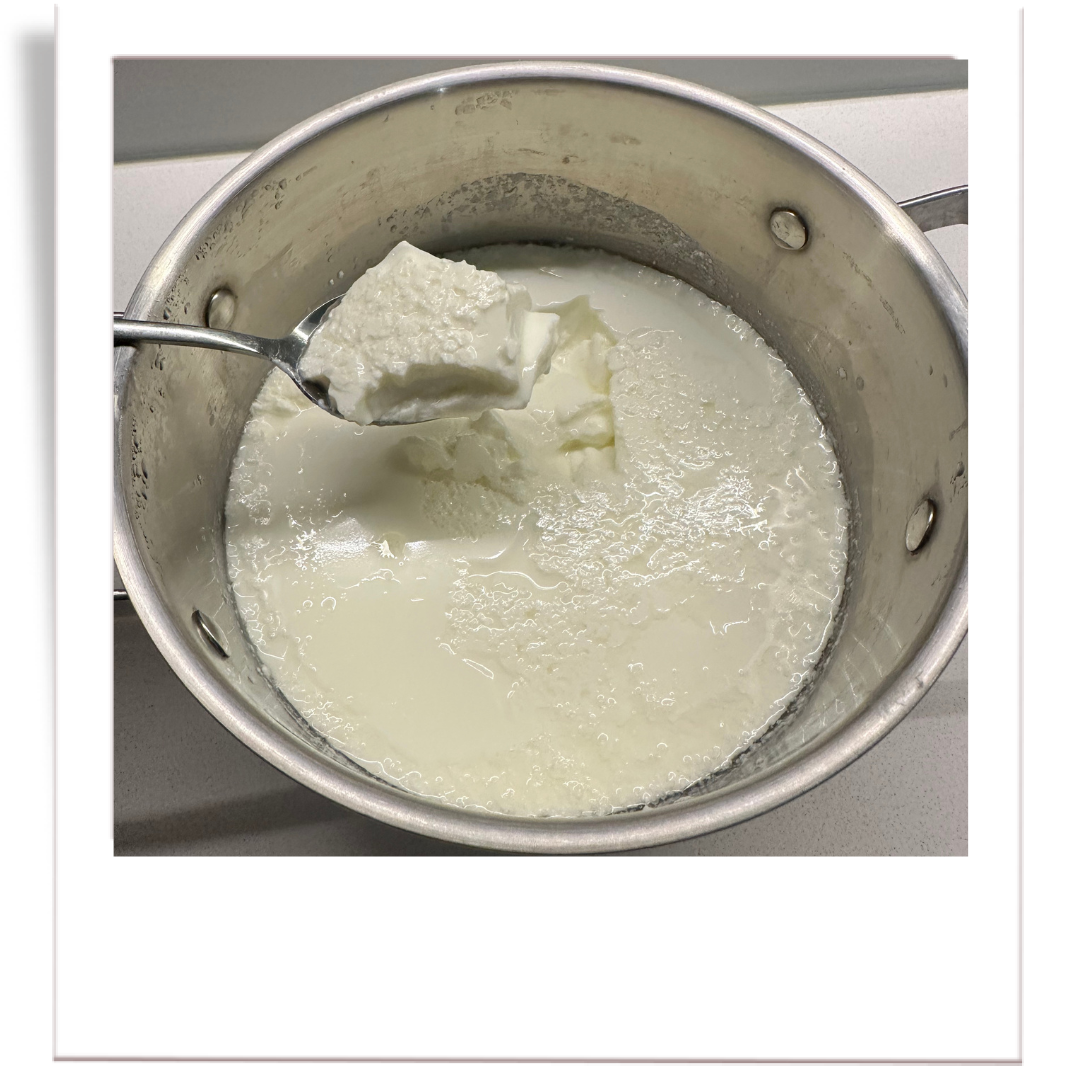
Try fermenting it longer, using full-fat milk, or straining it to remove excess liquid.
How can I make it tangier?
Let it ferment for a longer period—around 12-14 hours instead of the standard 8 hours.
Can I freeze homemade yoghurt?
You can, but it may change in texture. It’s best used in smoothies or cooking after freezing.
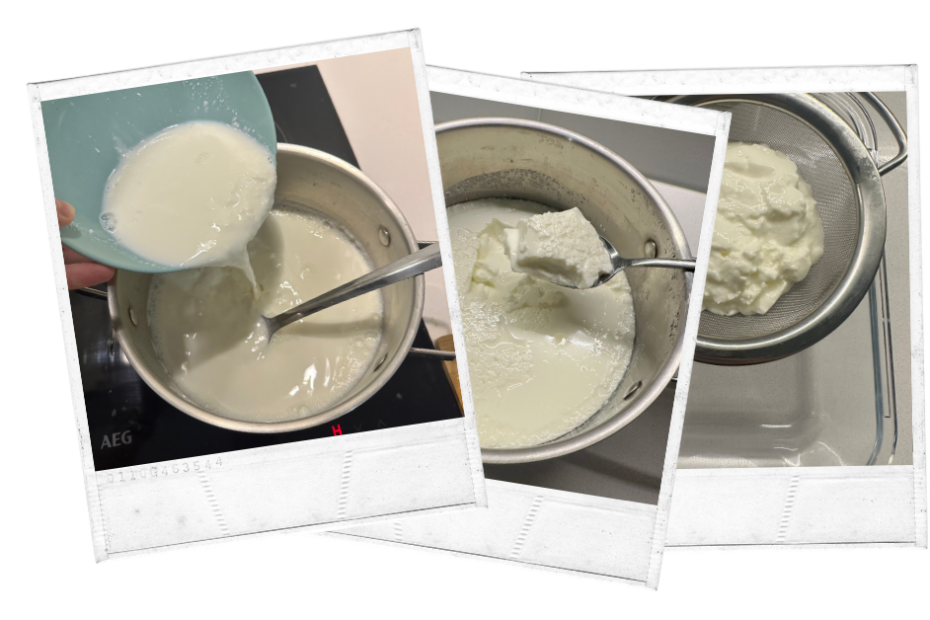
Homemade Yoghurt – Easy, Creamy & Naturally Probiotic-Rich
Equipment
- A food thermometer
Ingredients
- 1136 ml whole milk 2 UK pints
- 80 g Greek yoghurt with live cultures
Instructions
Heat the Milk
- Pour the whole milk into a saucepan and heat it over medium heat.
- Stir occasionally to prevent scorching.
- Heat until the milk reaches 93°C (200°F). This step kills off any unwanted bacteria and helps create a better texture.
Cool the Milk
- Remove the pot from heat and let the milk cool naturally to 44°C (112°F)—this takes about 20-30 minutes.
- If you’re in a hurry, place the pot over a bowl of ice water to speed up the cooling process.
Add the Yoghurt Starter
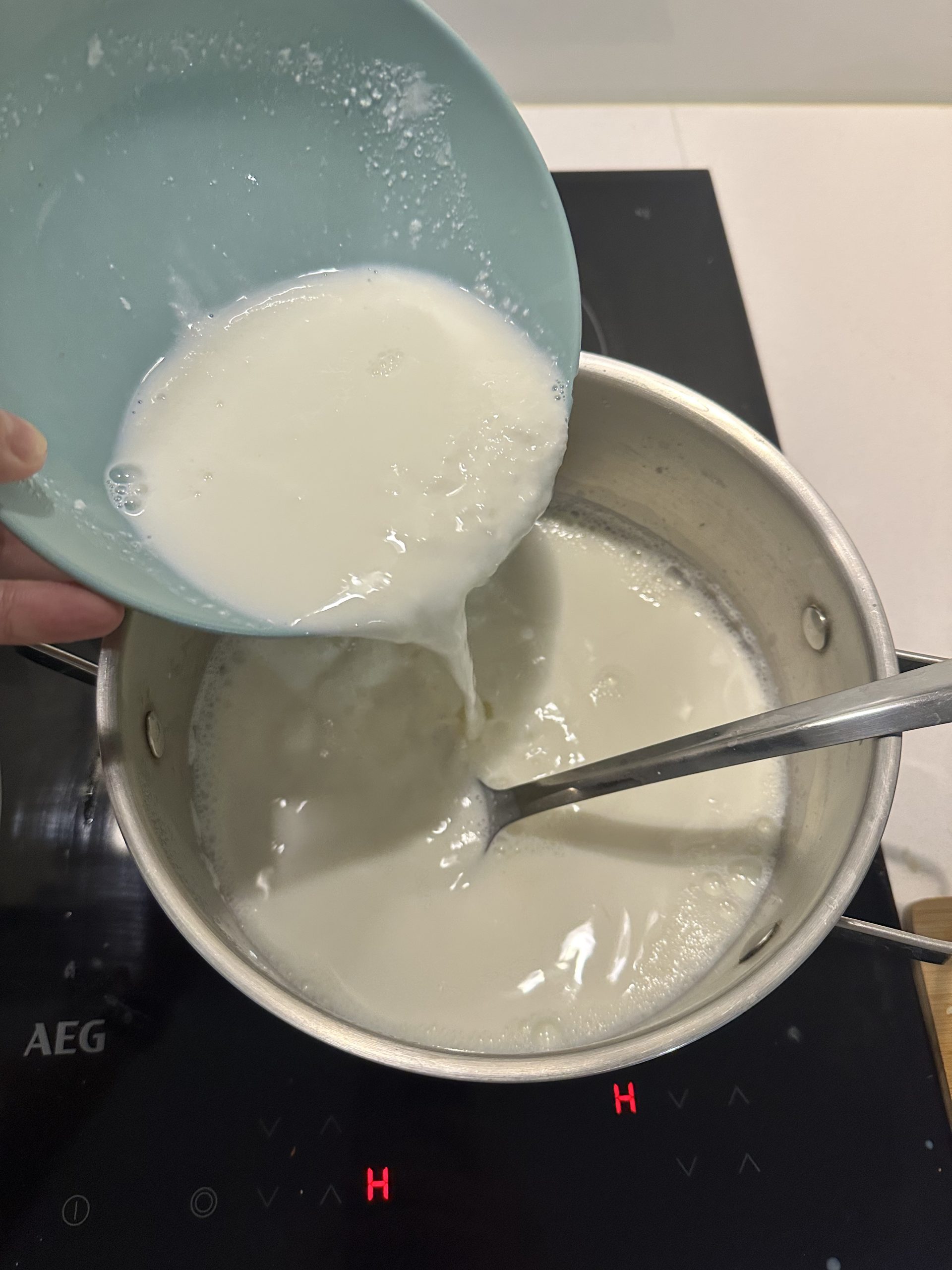
- In a separate bowl, mix a few ladles of the warm milk with the Greek yoghurt until smooth.
- Pour this mixture back into the pot and stir gently to distribute the cultures evenly.
Incubate & Ferment
- Cover the pot with a lid and wrap it in a towel to keep it warm.
- Place it in a warm spot (inside an oven with the light on, in an insulated box, or near a radiator).
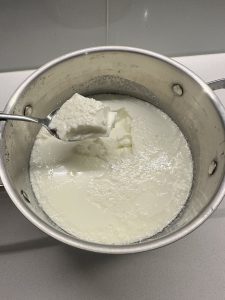
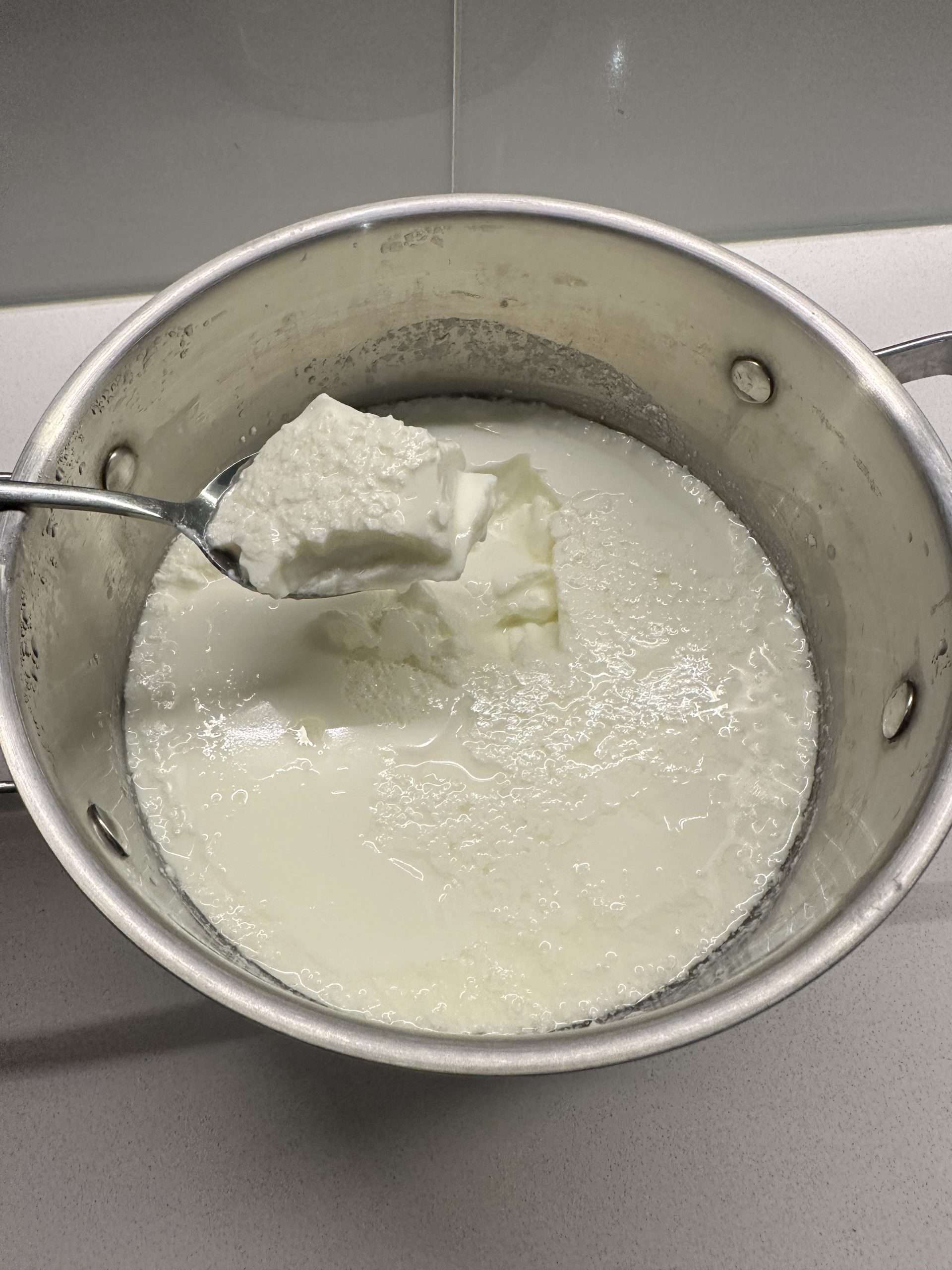
- Leave it to ferment for at least 8 hours, or overnight.
- The longer it sits, the thicker and tangier the yoghurt will become.
Straining & Storing
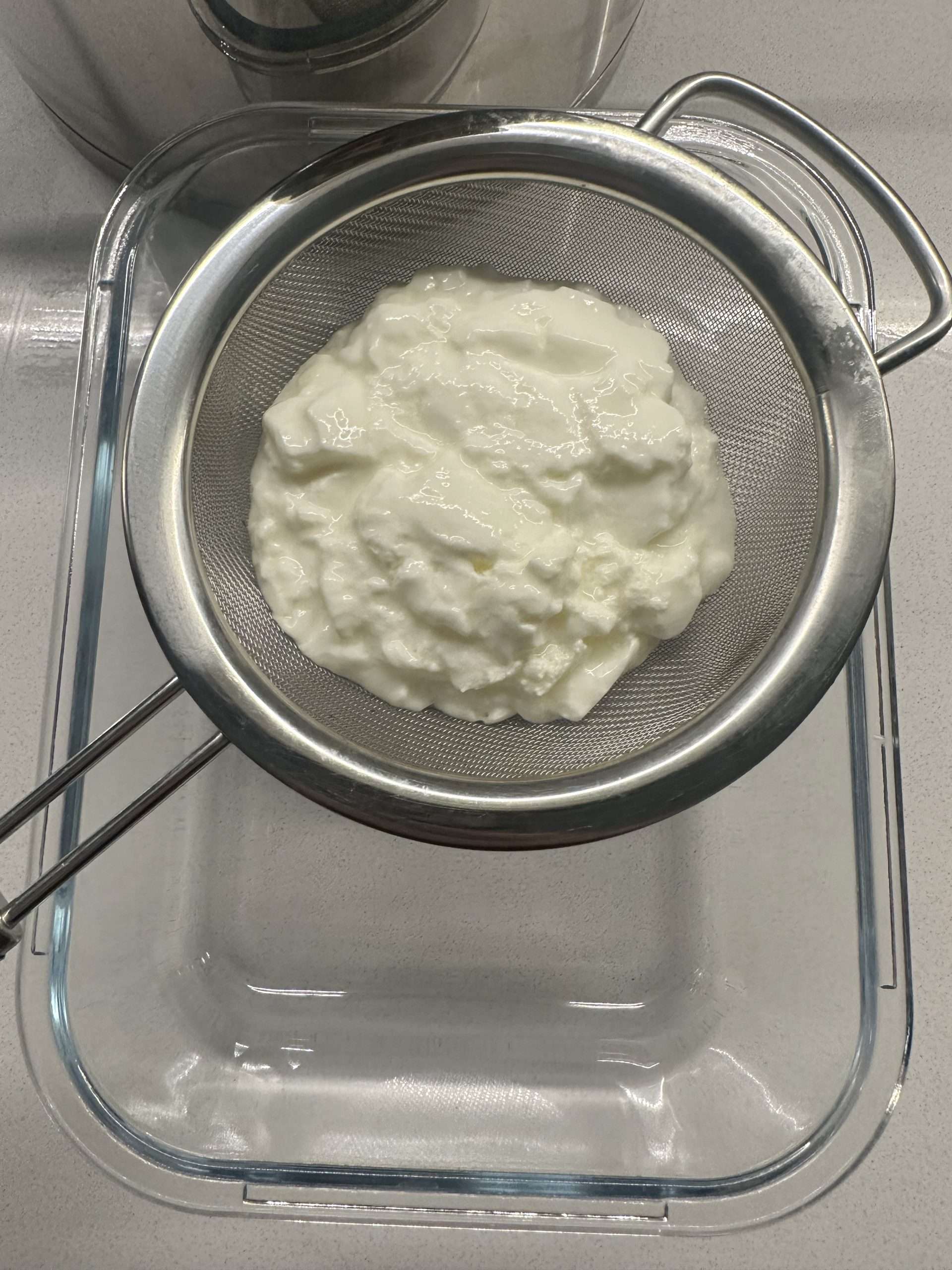
- If you prefer Greek-style yoghurt, strain it through a cheesecloth or fine sieve for a few hours to remove excess whey.
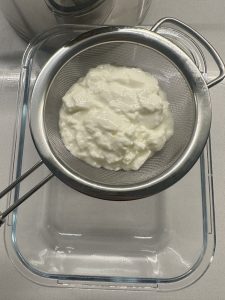
- Transfer to an airtight container and refrigerate—it will keep for up to 7 days.
 English (UK)
  Română